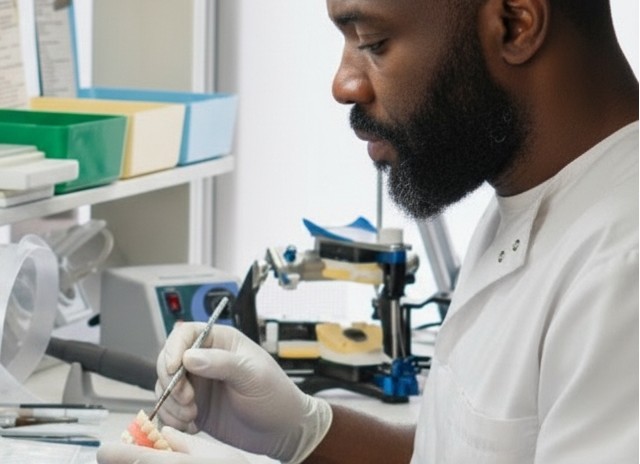
In short, the Dentures vs Implants decision comes down to stability, comfort, cost, and long-term oral health. Dentures are removable and budget-friendly, while implants are fixed, strong, and help preserve jawbone health. The right choice depends on your lifestyle, bone structure, and treatment goals.
Introduction
Quality Dentures & Implants has built a strong reputation across Florida for providing high-quality tooth replacement solutions tailored to each patient’s needs. If you’re comparing Dentures vs Implants, it’s likely because you want a comfortable, reliable way to restore your smile and confidence. In this article, we break down how each option works, the benefits and limitations, and how to determine which treatment may suit your goals. Our aim is to help you feel fully informed before making a decision that affects your comfort, oral health, lifestyle, and long-term wellbeing.
What’s the Key Difference Between Dentures and Dental Implants?
The biggest distinction is how they fit into your mouth. Dentures are removable appliances that sit on top of your gums. Implants, on the other hand, are small titanium posts surgically placed into the jawbone. They act like artificial roots, supporting a crown, bridge, or full arch of teeth. Dentures provide functional replacement, but implants provide structural replacement. That structural foundation is what gives implants a natural feel, stronger bite, and long-term stability.
How Do Dentures Work and Who Are They Best Suited For?
Dentures have been used for generations and remain a reliable choice for people wanting an affordable and non-surgical solution. They come in two main types:
• Full dentures, for replacing all teeth in an arch
• Partial dentures, for filling gaps when some natural teeth remain
Modern dentures are designed using lightweight materials and custom shaping for better comfort. They are a good option for those who prefer removable solutions or have limited bone density. However, dentures do require adhesives for improved grip, regular adjustments, and occasional remakes due to changes in gum shape over time.
How Do Dental Implants Work and Why Are They Considered a Gold Standard?
Dental implants integrate with the jawbone through a process known as osseointegration. This fusion provides the stability needed to support a crown or full arch. Because implants sit securely in the bone, they look and feel like natural teeth. Patients choose them for:
• Strong biting power
• Natural aesthetics
• Long-term durability
• Bone preservation
• No slipping or clicking
• No need for adhesive pastes
For many patients, implants offer greater convenience than dentures. They stay in place permanently and are cleaned with regular brushing and flossing.
Why Does Jawbone Health Matter in the Dentures vs Implants Choice?
When natural teeth are missing, the jawbone begins to shrink due to lack of stimulation. Dentures rest on the gums and cannot stop this process. Over time, this bone loss leads to changes in facial shape, loose dentures, difficulty eating, and a sunken appearance around the mouth. Implants behave like tooth roots and stimulate the jawbone, helping to keep it strong. This makes dental implants not just a cosmetic option, but a structural one that supports long-term oral health.
Do Implants Offer Functional Benefits That Dentures Cannot?
Yes, and these benefits are often the deciding factor. People who switch from dentures to implants frequently report:
• Eating harder foods again
• Reduced discomfort
• Clearer speech
• Enhanced confidence
• Freedom from adhesives
• Less worry in social situations
Implants provide a level of stability that dentures simply cannot match. For people who struggle with loose or shifting dentures, implants can be life-changing.
What About Cost? Are Dentures Still the Cheaper Option?
Dentures generally cost less upfront, making them appealing for patients seeking the lowest immediate expense. However, dentures need to be replaced every 5–7 years and require ongoing adjustments. Implants have a higher initial investment, but they last significantly longer and deliver better long-term value. Think of dentures as a shorter-term solution, while implants serve as a long-term investment in comfort, function, and confidence.
How Does Daily Life Compare With Dentures vs Implants?
Here’s a snapshot of what daily life can look like with each option:
Dentures
• Removed at night
• Cleaned using special solutions
• May require adhesives
• Possible slipping when eating or talking
• Periodic relining or replacement
Implants
• Brushed like natural teeth
• No removal
• No soaking required
• Secure during all activities
• Long-lasting results
If convenience is a priority, implants generally provide a more seamless experience.
Which Option Looks More Natural?
Both dentures and implants can look natural, but implants typically offer a more lifelike appearance due to their fixed positioning and gum integration. Dentures can look beautiful when designed well, but they may lack the depth and translucency that high-quality implant crowns achieve. The biggest aesthetic difference is stability—teeth that don’t move look more natural.
How Do I Decide Between Dentures vs Implants?
The best choice depends on:
• Your budget
• Bone health
• Number of missing teeth
• Desired level of stability
• Comfort preferences
• Long-term goals
A professional consultation with digital imaging will give you the clearest understanding of which solution suits your mouth structure, lifestyle, and expectations.
Choosing between Dentures vs Implants doesn’t have to be overwhelming. Both options can restore your smile, but implants offer unmatched stability, comfort, and long-term oral health benefits. If you’re ready to discover which treatment is right for you, Quality Dentures & Implants can guide you with expert advice and personalised recommendations. Book your consultation today—appointments fill fast, so secure your visit now and take the first step toward a confident, functional smile.
FAQs
1. Are implants better than dentures for chewing?
Yes. Implants offer much stronger bite force and stability.
2. Can I start with dentures and switch to implants later?
Absolutely. Many patients transition over time.
3. Are dentures uncomfortable?
They can be for some people, especially as the gums change shape, but modern dentures offer improved comfort.
4. Is implant surgery painful?
Most patients report minimal discomfort due to modern anaesthetic techniques.
5. How long do implants last?
With proper care, implants can last decades.