Loose dentures can affect how you eat, speak and feel around other people. If your dentures are moving, rubbing or no longer fitting securely, Quality Dentures & Implants in Jacksonville, FL can assess whether a simple adjustment, professional reline or new denture is the most appropriate solution.
The Short Version
Dentures may become loose because the gums and jawbone naturally change over time. An adjustment can correct a specific pressure point, while a reline reshapes the denture’s inner surface for a closer fit. Severely worn, damaged or outdated dentures may need to be replaced.
Why Do Dentures Become Loose?
Even well-made dentures may not maintain exactly the same fit forever.
After teeth are removed, the gums and underlying jawbone gradually change shape. Weight changes, health conditions, normal denture wear and changes in your bite can also affect how securely your dentures sit.
New dentures can initially feel slightly loose while the cheeks and tongue learn to help hold them in place. However, persistent movement, pain or difficulty chewing should be professionally assessed.
Adding more adhesive may temporarily reduce movement, but it does not correct the reason the fit has changed.
7 Signs Your Dentures Need Professional Attention
1. Your Dentures Move When You Speak
Dentures should remain reasonably stable during normal conversation. Clicking sounds, movement or worrying that your teeth may slip while speaking are signs that the fit should be checked.
An adjustment or reline may improve stability, depending on the cause.
2. Food Is Getting Under Your Dentures
Small amounts of food can occasionally become trapped under a denture. When this happens regularly, however, there may be a gap between the denture base and your gum tissue.
That gap can make eating uncomfortable and may contribute to irritation.
3. You Have Sore Spots or Gum Irritation
A denture that repeatedly rubs the same area can create tenderness, inflammation or ulcer-like sore spots.
Do not try to reshape the denture or file down the problem area yourself. Small changes can affect the bite and may make the denture harder to repair correctly.
Persistent sores, unusual tissue changes or irritation that does not heal should be examined by a dental professional.
4. You Are Using More Denture Adhesive
Denture adhesive can add reassurance, but it should not be used to compensate for a denture that no longer fits properly.
If you need increasing amounts of adhesive or must reapply it throughout the day, your gums or jaw may have changed enough to require a reline or replacement.
5. Chewing Has Become More Difficult
Loose dentures can shift under pressure, making it harder to bite or chew comfortably. You may begin avoiding certain foods or chewing predominantly on one side.
A professional assessment can determine whether the problem is the denture fit, worn denture teeth, bite alignment or another oral health concern.
6. Your Bite Feels Different
Your upper and lower teeth should meet in a balanced, comfortable way. As denture teeth wear or the supporting tissues change, your bite may begin to feel uneven.
An altered bite can reduce chewing efficiency and place additional pressure on certain areas of the gums.
7. Your Dentures Look Worn, Cracked or Damaged
Visible damage requires professional attention, even when the denture still appears usable.
Hairline cracks can grow, denture teeth can wear down and damaged edges can irritate the mouth. A small repair may be possible when the problem is addressed early. More extensive deterioration may make replacement the safer long-term choice.
Denture Adjustment vs Reline vs Replacement
These treatments solve different problems.
| Treatment | What It Does | Often Considered When |
|---|---|---|
| Adjustment | Makes a small correction to relieve pressure or improve comfort | There is a sore spot, sharp area or localised bite problem |
| Reline | Reshapes the surface resting against the gums | The denture is generally sound but has become loose |
| Repair | Restores a crack, broken base, clasp or denture tooth | The denture is damaged but remains suitable for continued use |
| Replacement | Creates a new denture for the current shape of your mouth | The denture is extensively worn, repeatedly repaired, unstable or no longer functions well |
There is no universal replacement schedule that applies to every patient. The appropriate decision depends on fit, support, bite, appearance, speech, oral tissues, denture condition and patient satisfaction.
Can a Reline Fix Loose Dentures?
A reline can often improve the fit of a loose denture when the denture itself remains in good condition.
During relining, material is added or replaced on the tissue-facing side of the denture. This allows the base to follow the current contours of the gums more closely.
A reline may not be appropriate if the denture is badly worn, repeatedly breaking, poorly aligned or no longer provides the appearance and function you need.
What Happens During a Denture Fit Assessment?
A professional denture assessment usually involves several practical steps.
Step 1: Discuss What Has Changed
Tell the dental team when the movement or discomfort began, what activities trigger it and whether you are relying more heavily on adhesive.
Step 2: Examine Your Mouth
Your gums and oral tissues should be checked for irritation, pressure areas and other changes that may be affecting comfort.
Step 3: Inspect the Denture
The denture is examined for cracks, worn teeth, damaged clasps, uneven surfaces and changes in its overall fit.
Step 4: Check Your Bite
The way the upper and lower teeth meet can influence stability, comfort and chewing ability.
Step 5: Compare Your Treatment Options
The dental team can explain whether an adjustment, reline, repair or replacement is likely to provide the most dependable result.
What Can You Do Before Your Appointment?
If your dentures have suddenly become uncomfortable:
- Remove them for a period to give irritated gums a rest.
- Rinse your mouth and clean the dentures gently.
- Avoid very hard, sticky or difficult-to-chew foods.
- Do not bend, reshape, file or glue the dentures.
- Bring the dentures to your appointment, including any broken pieces.
- Explain exactly where you feel movement, pressure or pain.
If a denture breaks, professional repair is important. Household glue and do-it-yourself repair materials may damage the denture or interfere with an accurate repair.
When Is Replacement the Better Decision?
Replacement may be recommended when adjusting or relining the existing denture would not adequately restore its fit and function.
This may include dentures with extensive wear, repeated fractures, significant bite changes, chronic instability or an appearance that no longer suits the patient.
Some people may also decide to explore implant-supported overdentures or All-on-X dental implants when they want greater stability than a conventional removable denture can provide.
The right choice depends on your oral health, goals, lifestyle and budget.
Get Loose Dentures Feeling Secure Again
You should not have to plan every conversation or meal around dentures that move.
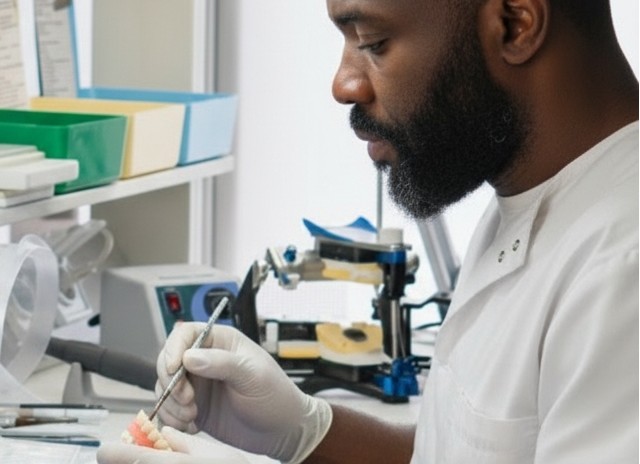
Quality Dentures & Implants provides denture adjustments, relines, repairs and replacement options for patients in Jacksonville, Orange Park and surrounding communities. With an on-site denture laboratory, many repair needs can be handled efficiently, and qualifying repairs may be completed on the same day.
Contact Quality Dentures & Implants to request a denture assessment and find out which solution is right for your smile.
Frequently Asked Questions
Why have my dentures suddenly become loose?
Dentures may become loose because of gradual changes in the gums and jawbone, weight changes, denture wear, damage or changes in your bite. A sudden change should be professionally assessed.
Can loose dentures be adjusted without replacing them?
Yes. Some loose dentures can be improved with an adjustment or reline. Replacement may be recommended if the denture is severely worn, damaged or no longer provides an acceptable fit.
Is it normal to need denture adhesive every day?
Some people choose to use a small amount of adhesive for reassurance. Needing increasing amounts or repeated applications may indicate that the denture fit has changed.
What is the difference between a denture adjustment and a reline?
An adjustment makes a small correction to relieve pressure or improve the bite. A reline reshapes the inner surface of the denture so it fits the current contours of the gums more closely.
Can I adjust loose dentures at home?
No. Filing, bending, reshaping or gluing dentures at home can cause damage and alter the bite. Denture adjustments should be completed professionally.
How do I know if my dentures should be replaced?
Replacement may be considered when dentures are extensively worn, repeatedly damaged, chronically unstable or no longer provide comfortable chewing, speech and appearance. A dental examination is needed to make that decision.